
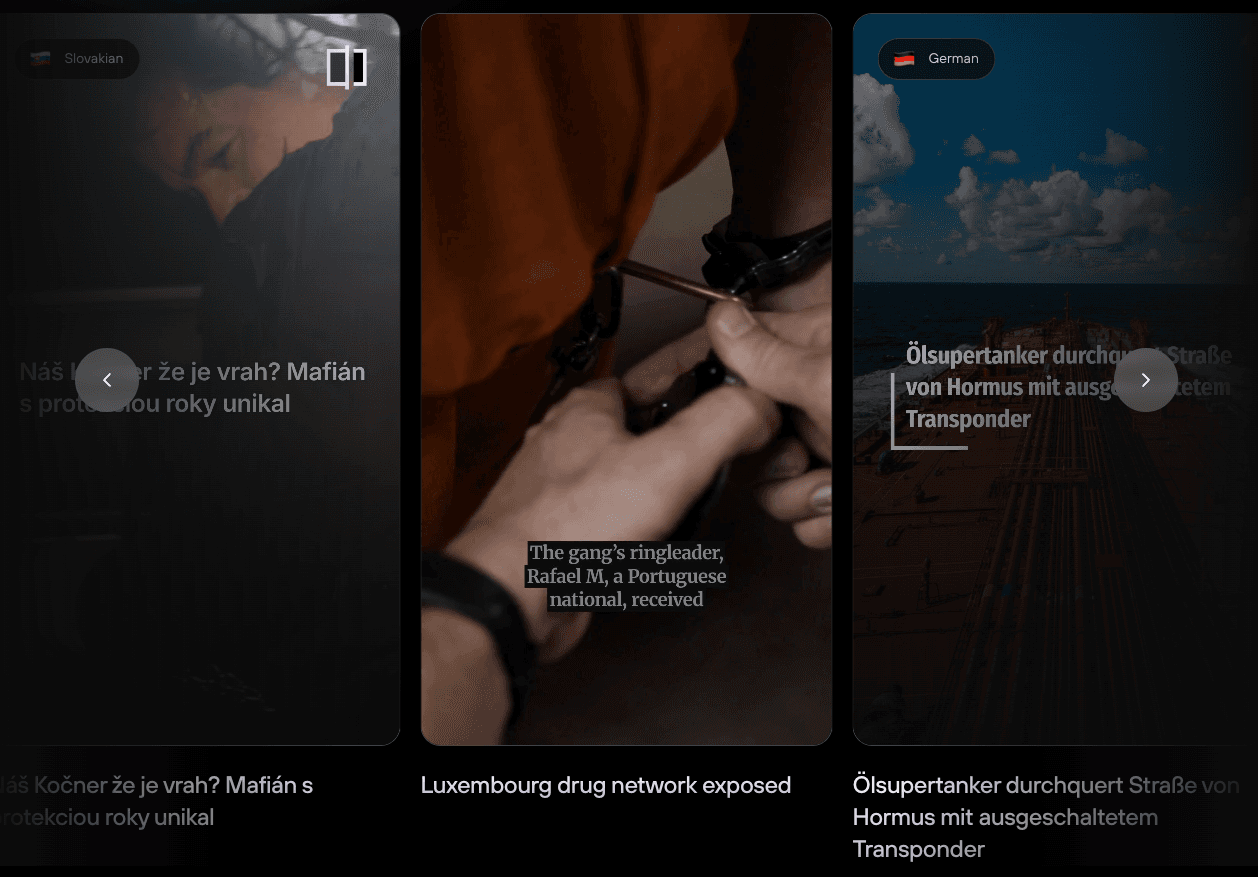
Over the last year, I have spent a lot of time talking to publishers about short-form video, AI and the very practical problem of creating more video without turning every article into a separate production project.
When we started building Flipatic, the idea was simple: help newsrooms create short videos from published articles quickly, safely and with editorial control.
After months of real use by publishers, I see it more clearly now. “Video from an article” is not one format and not one use case. It becomes useful in several different places in the publisher’s workflow.
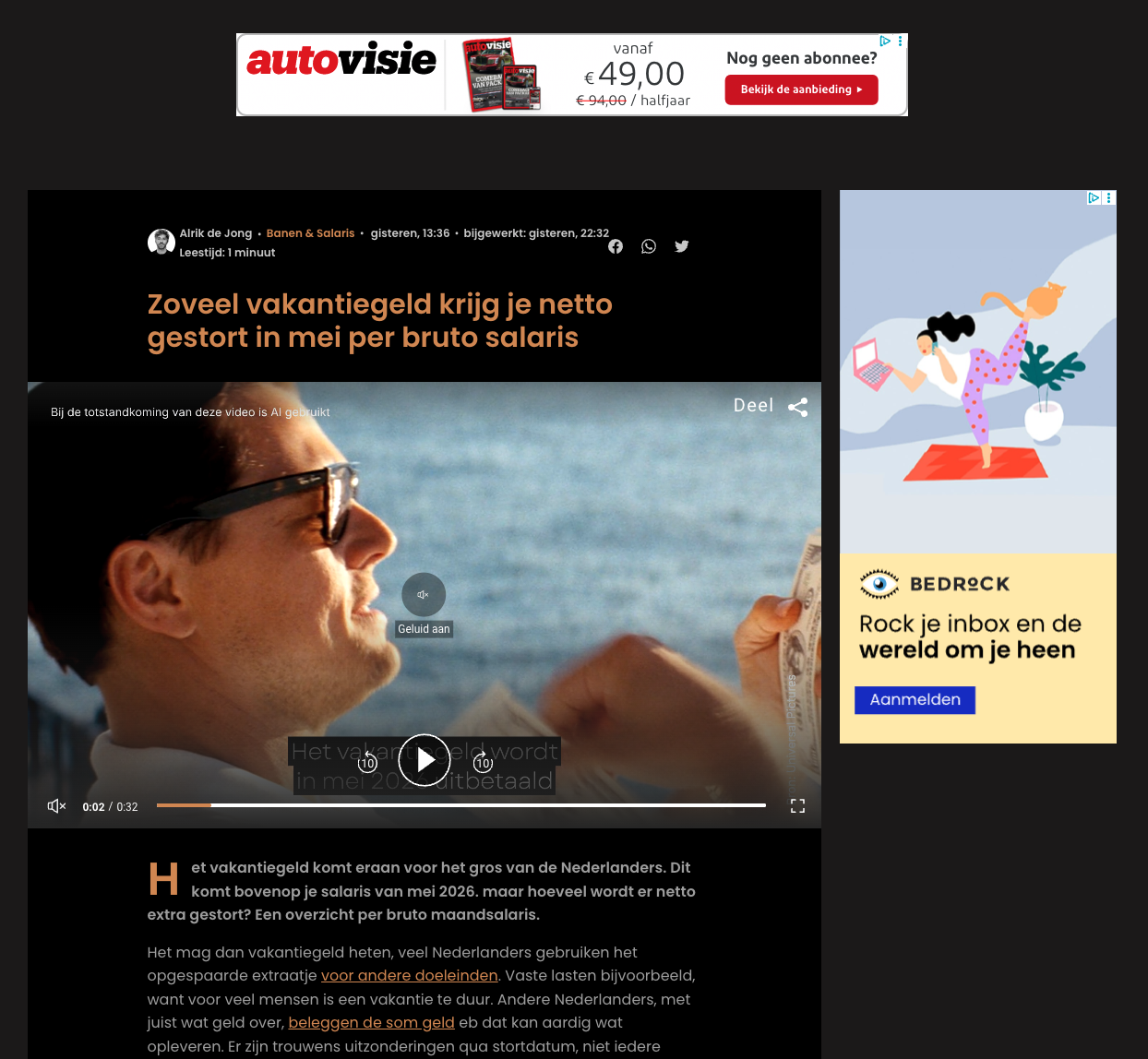
The first use case is the publisher’s own website. Some publishers create videos from articles and place them directly inside those articles, sometimes replacing the main image. This is usually a horizontal video. It works as an alternative way to consume the story for users who prefer to watch rather than read.
The second use case is also on the publisher’s site, but with a different role. Short vertical videos can be used on listings, homepages or section pages as teasers. They do not need to tell the full story. Their job is to catch attention and bring the user into the article.
///
Want to show reels on your own website?
Use our free embeddable component to display vertical videos on your homepage, section pages or article listings.
Check the demo and tell us if you’d like to try it.
///
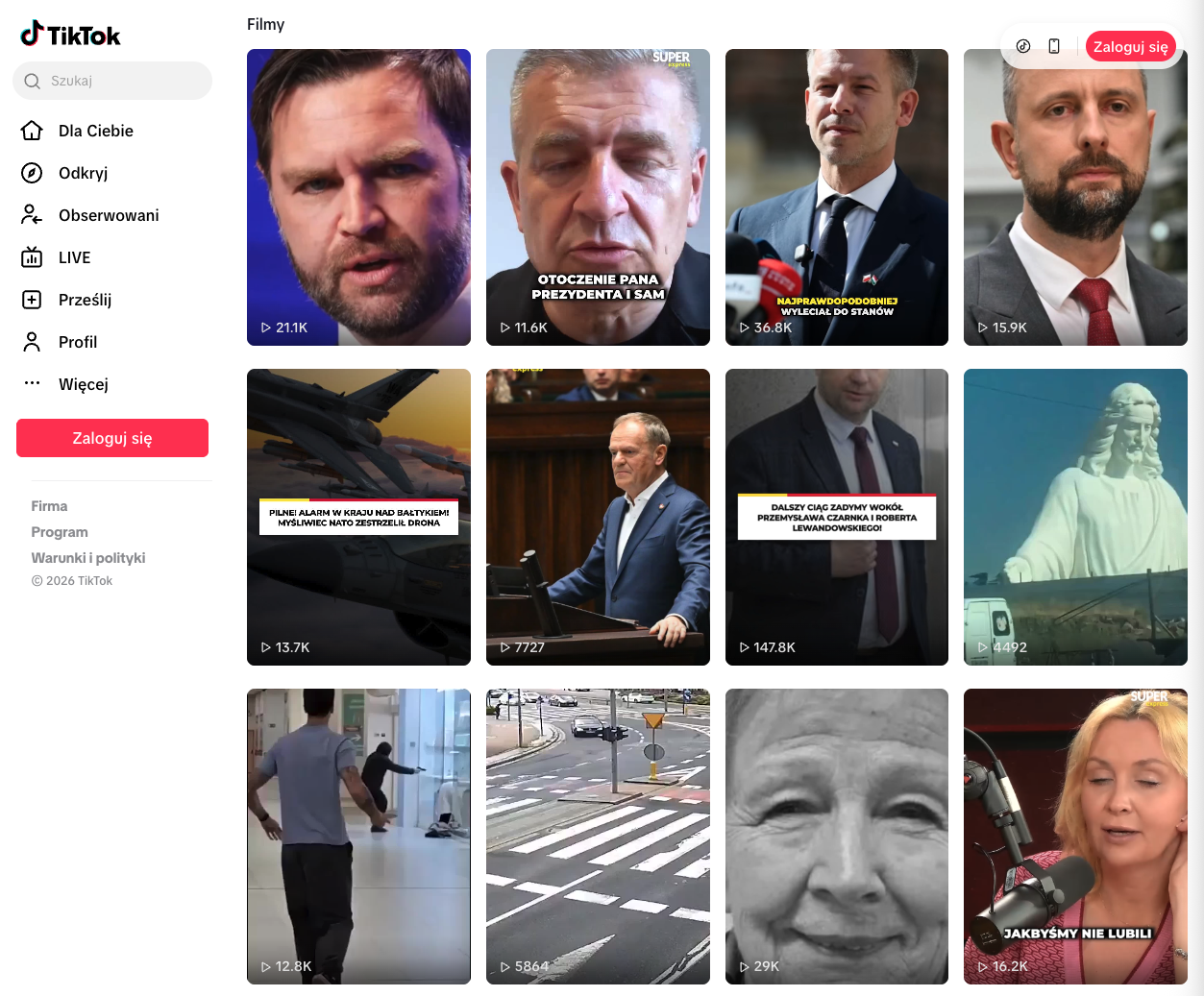
The third and most obvious use case is social media. Flipatic videos are published on Facebook, TikTok, Instagram and YouTube Shorts. Sometimes the goal is reach, sometimes engagement, sometimes monetisation. But the broader point is simple: many users do not start their news journey on a publisher’s homepage. They discover stories in social feeds, so publishers need formats that work there.

We have already seen Flipatic videos reach hundreds of thousands of views across social platforms. The strongest examples include a TikTok video with 2.5 million views and 82,000 reactions. What matters to me is not only the size of these numbers, but the fact that these videos sit naturally inside the publisher’s regular output.
There is also one more use case that is becoming more visible: sponsored content. A publisher sells a sponsored article, and video becomes an additional campaign asset. That gives the sales team a stronger package to offer advertisers and turns short-form video into part of the commercial product, not only an editorial format.
The usage data tells a similar story. Around 56% of Flipatic videos are vertical, 43% are horizontal and less than 1% are square. This split reflects what we hear from publishers: vertical video is essential for social and mobile-first distribution, but horizontal video still matters because it works well inside articles and on publishers’ own websites.
The average Flipatic video is about 43 seconds long. That feels right for news: short, focused and fast to consume. The median technical processing time is a little over two minutes, and the median full time from starting the process to having a rendered video is around eight minutes. That matters, because newsroom tools have to fit into the rhythm of daily publishing.
We are now producing videos in eight languages across different European markets. But language is not the hardest part. The real challenge is understanding how newsrooms work, what they need to control, what they are careful about, and where video can realistically fit into the process.
This is why we keep coming back to one product decision: Flipatic is not a general video creation tool.
There are many tools for creating all kinds of videos. We are building software for newsrooms. The source is an article. The story has to stay editorially accurate. The process needs approval. The output needs to match publisher standards. And everything has to work under the time pressure of a real editorial team.
For me, the bigger idea is the democratisation of video in newsrooms. Not every short news video should require a video specialist or a separate production process. A journalist or editor should be able to create a useful video from their article without knowing editing software and without waiting for a separate team.
This does not replace professional video teams. It gives the wider newsroom the ability to use video where video makes sense.
After this period of working with publishers, I am even more convinced that the future of newsroom video is not only about better AI models or faster rendering. Those things help, of course. But the real value is in understanding the workflow: where the story starts, who controls it, where the video is published, and how it supports both editorial and business goals.
That is the direction we are taking with Flipatic: less “AI video tool”, more newsroom video workflow.